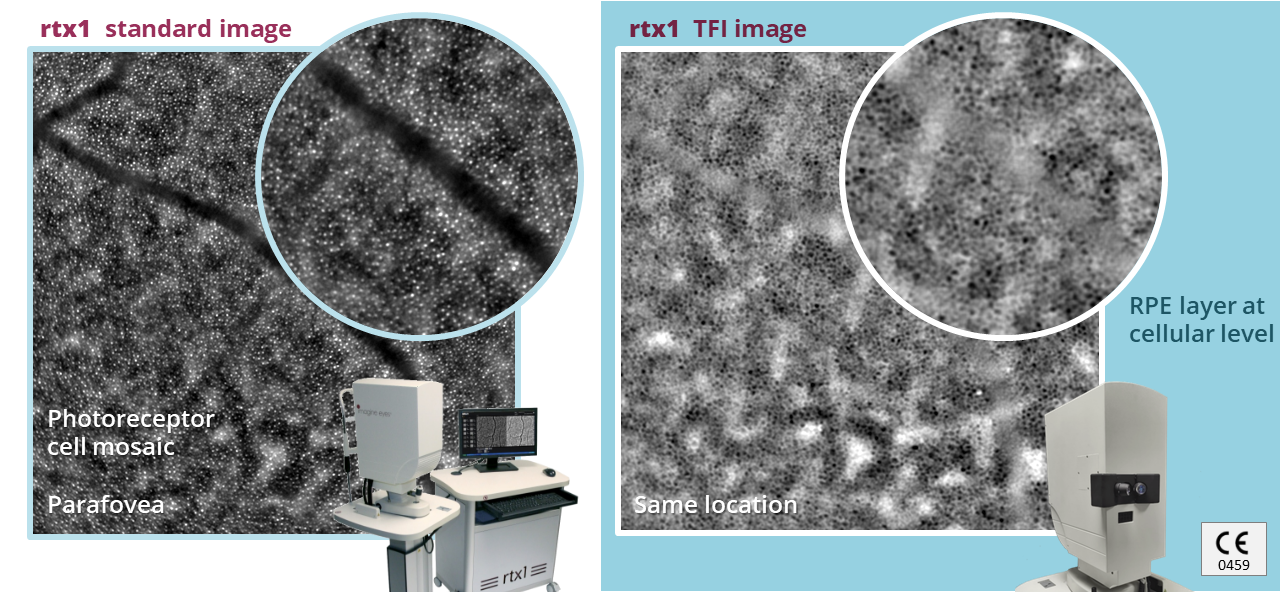
Towards superior retinal biomarkers

Novel retinal imaging biomarkers in various retinal and ocular conditions, as well as cardiovascular risk factors and systemic diseases, are being investigated using the rtx1 Adaptive Optics Retinal Camera.

Over 300 peer-reviewed publications have reported clinically relevant cellular and microvascular alterations – including qualitative and quantitative assessments – that provided novel insight such has cellular-level phenotyping, and short-term information on disease progression and therapy effects.

See below a selection of highlighted publications.
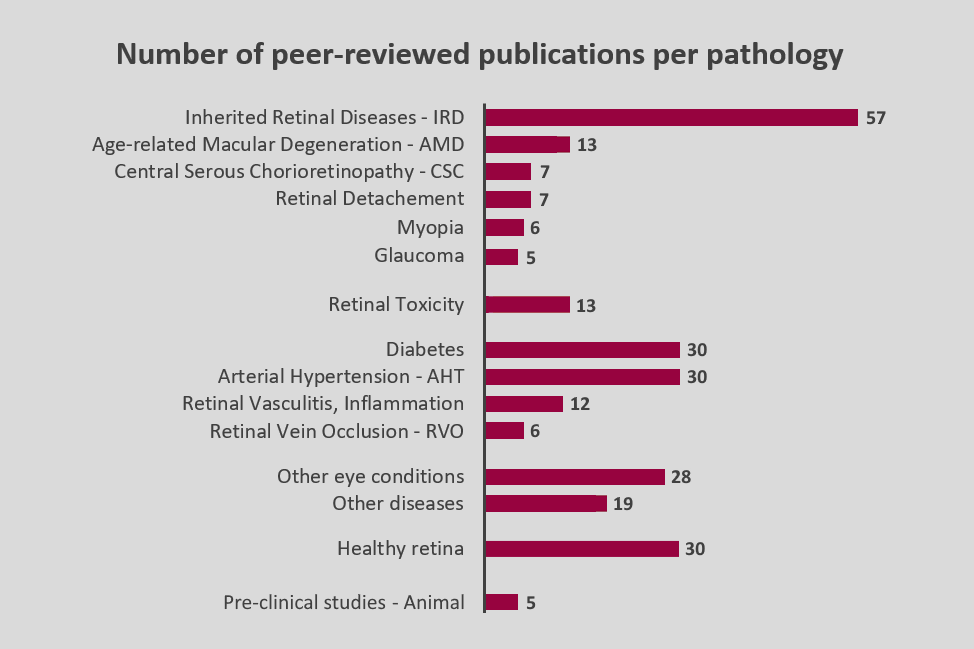
Inherited retinal diseases

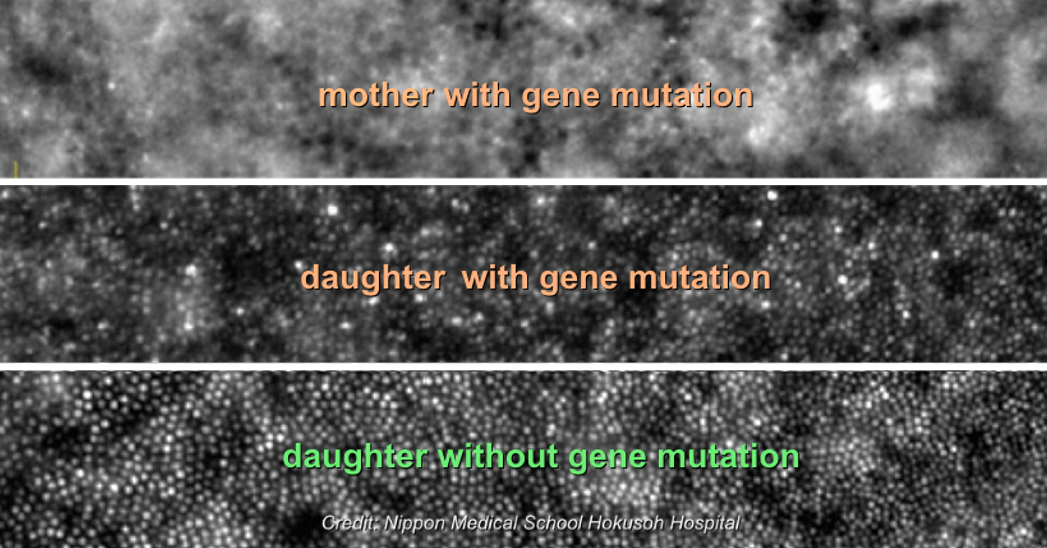
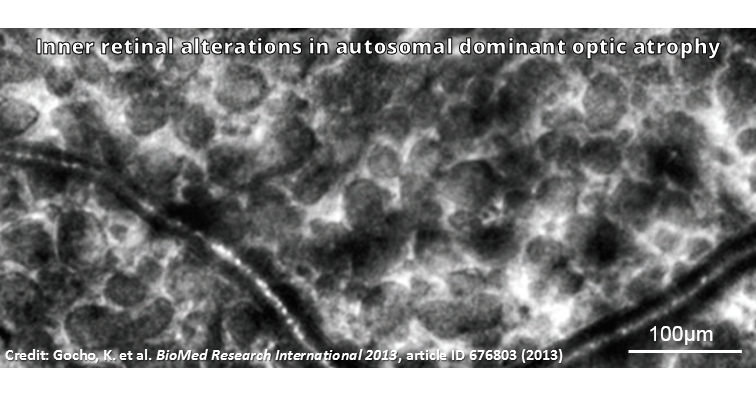
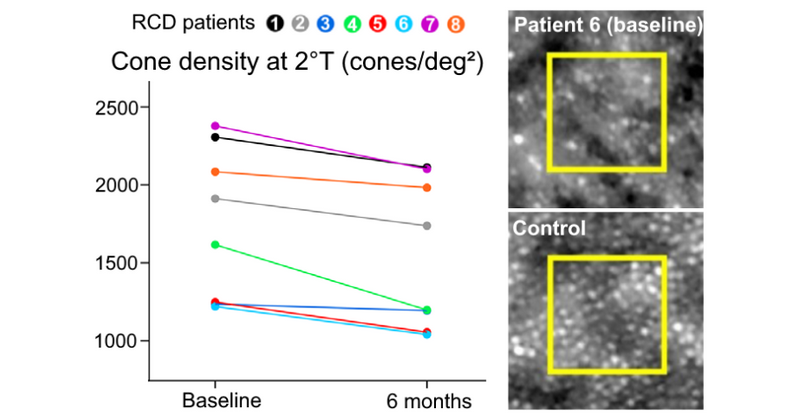
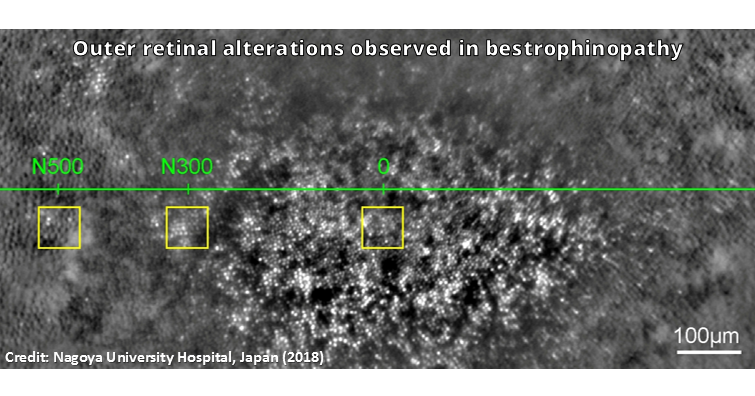
A wide array of inherited retinal diseases has been investigated with rtx1. In all of them, rtx1 revealed microscopic changes in various retinal structures, including the cone cell mosaic. rtx1 enabled quantifying photoreceptor mosaic alterations, and in some cases even before clinical changes.

Longitudinal studies have shown that rtx1 also provides insight into RP progression over shorter timescales than visual acuity or OCT biomarkers.

Highlighted publications – IRDs

Age-related macular degeneration

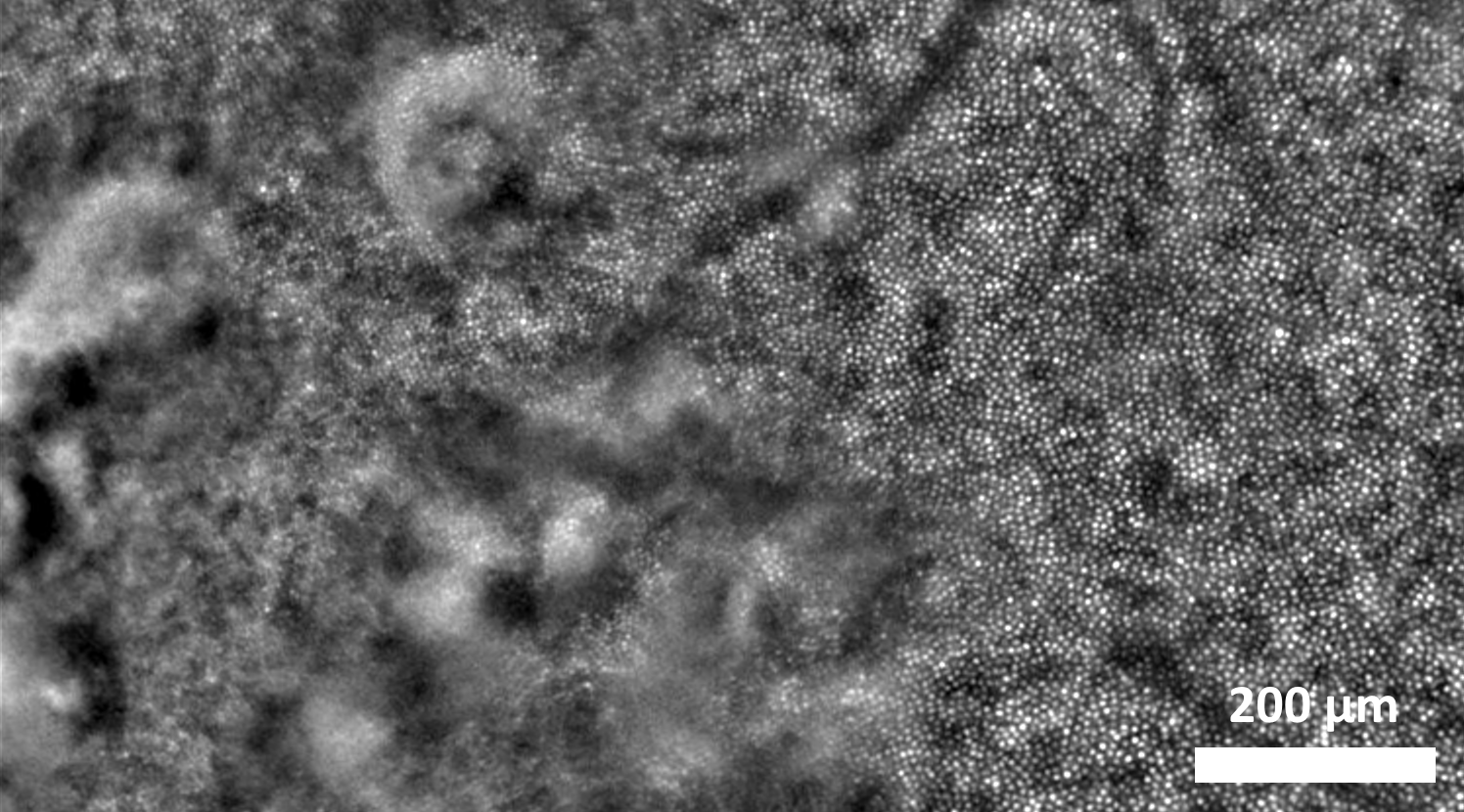
Publications report that rtx1 showed AMD-related retinal changes in higher details than conventional imaging, enabling investigating novel retinal imaging biomarkers.

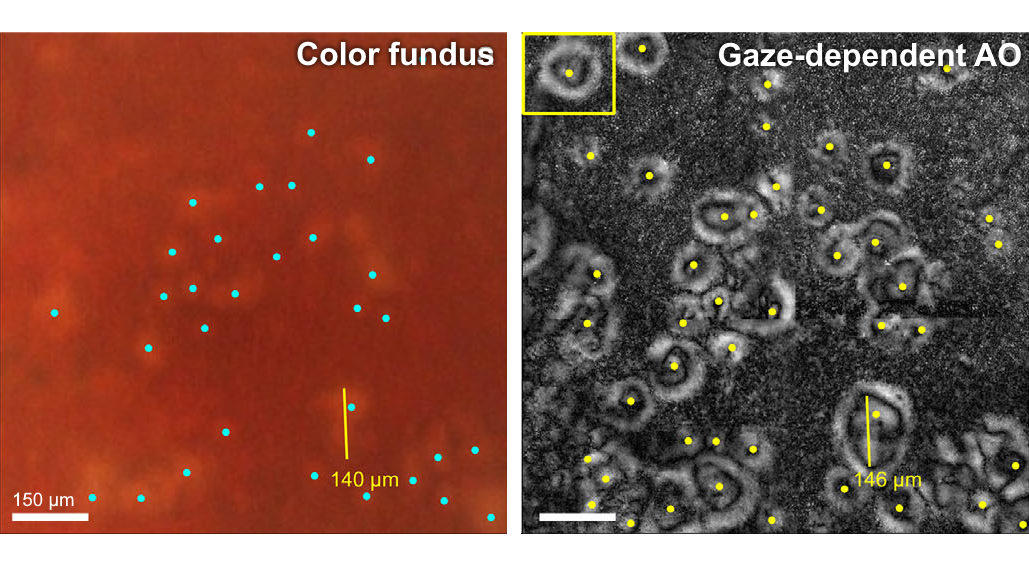
Different types of drusen had distinct appearances on rtx1 images. A new examination method using rtx1, called gaze-dependent AO imaging, further enhanced the contrast of small drusen, and enabled detecting more drusen than on color fundus images.

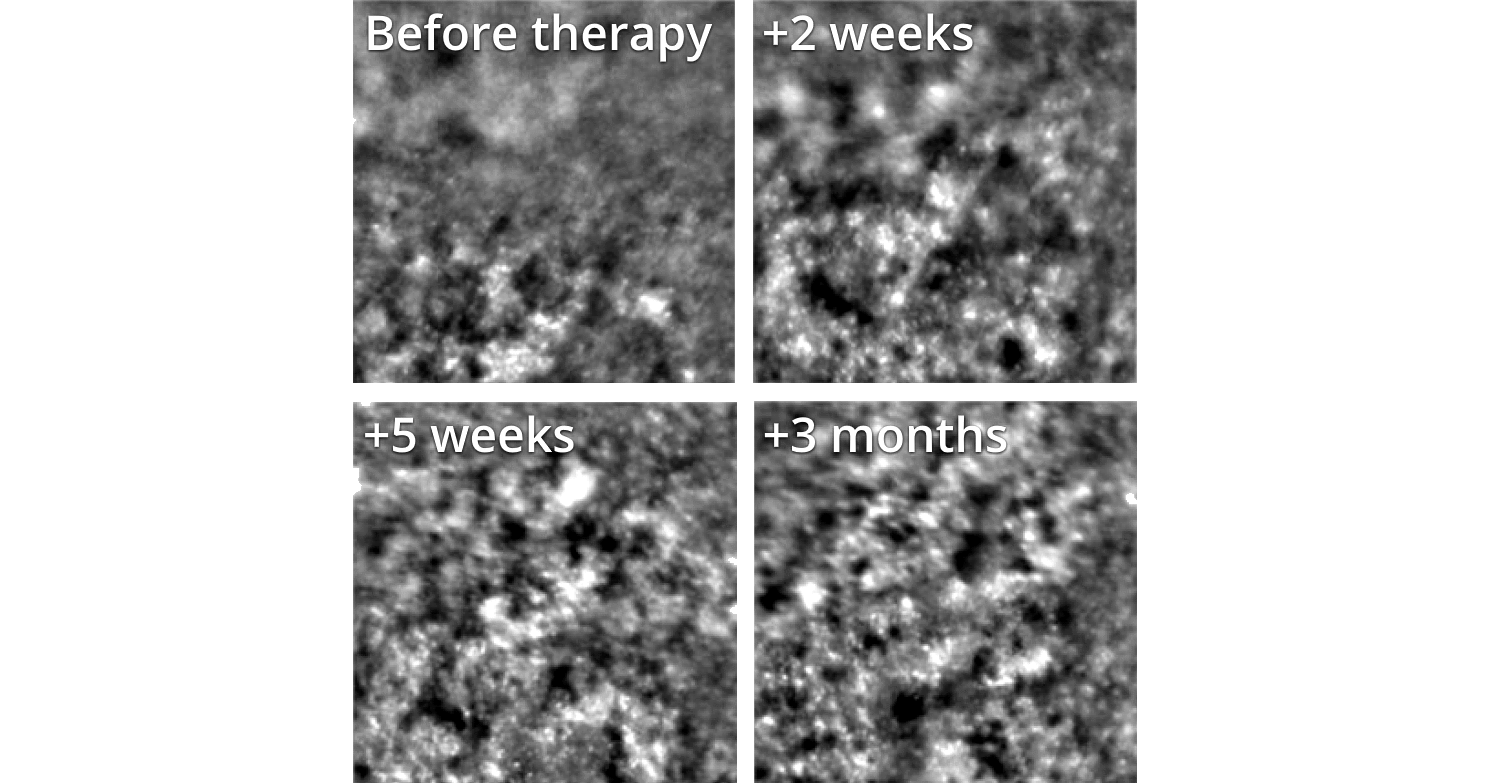
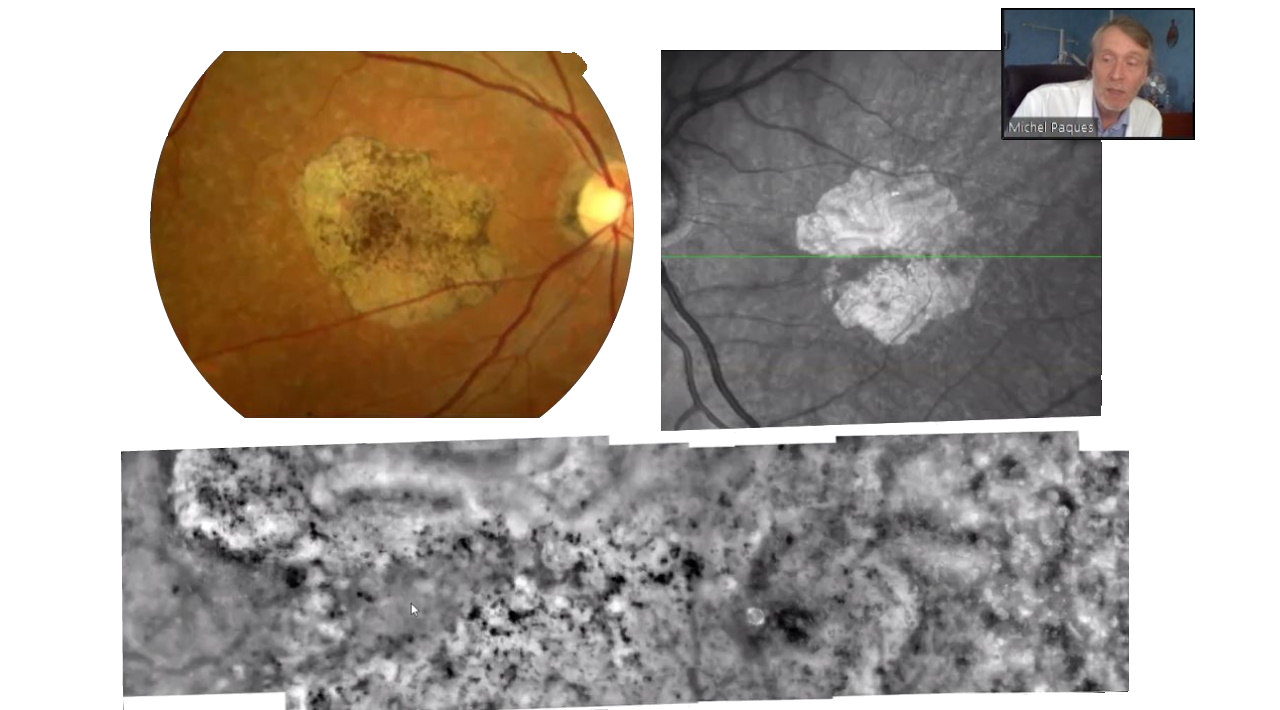
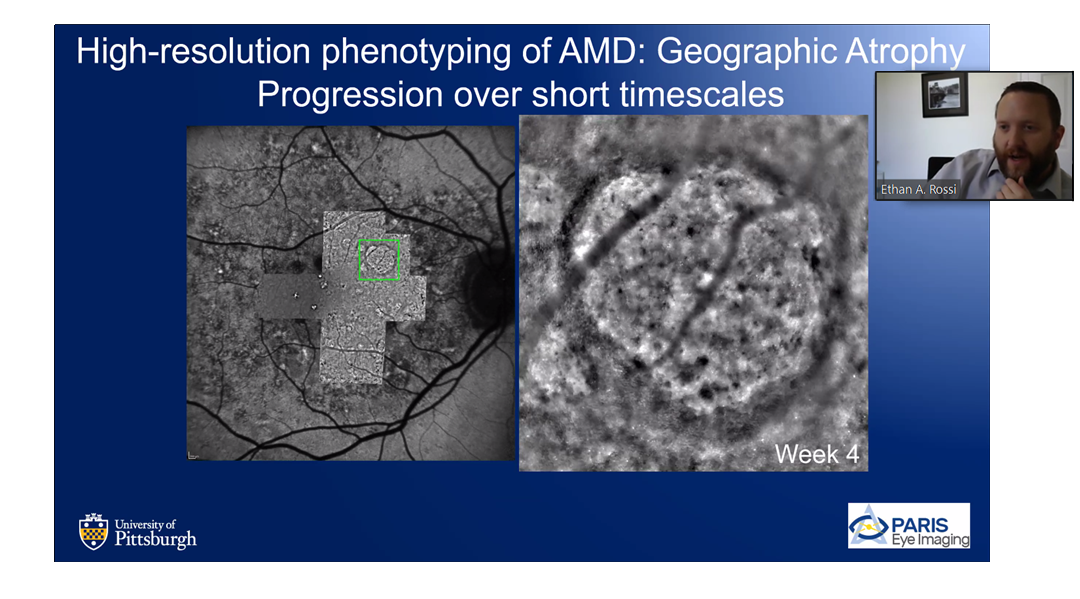
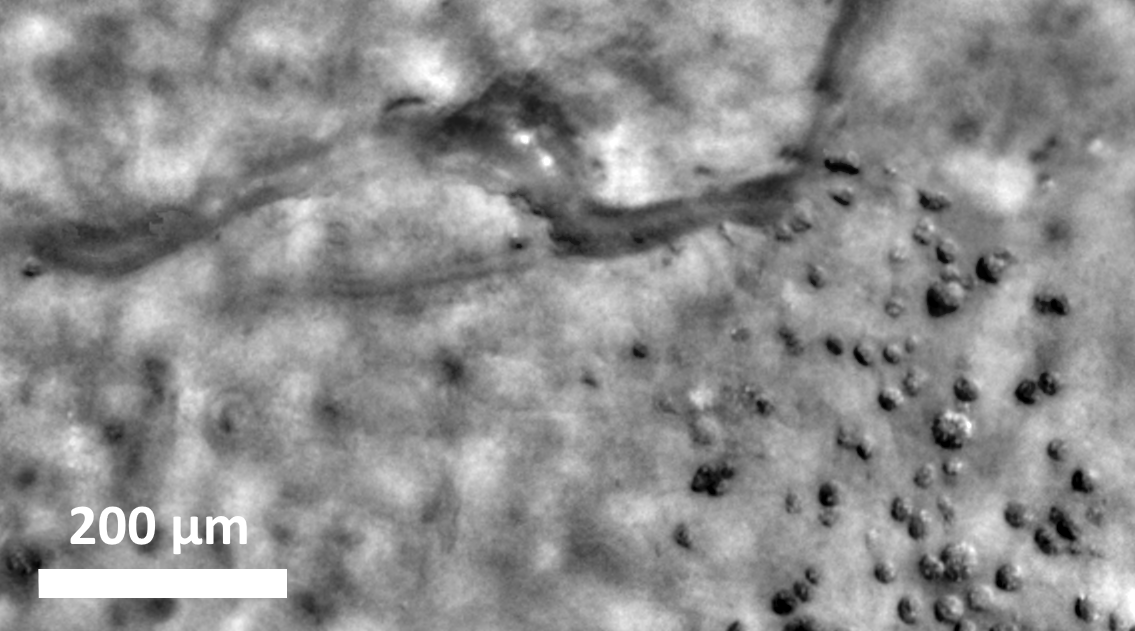
Furthermore, the border of geographic atrophy is more sharply visualized on rtx1 images than on autofluorescence images, which enabled detecting and measuring GA progression over timescales as short as 3 weeks.

Highlighted publications – AMD

Early atrophic changes in AMD captured by rtx1

New technique detects small drusen in AMD

Cardiovascular risk factors

Diabetes – with and without retinopathy

Several studies using rtx1 cameras revealed and measured cellular and microvascular alterations in the retinas of diabetic patients, and even in eyes without diagnosed retinopathy.

Arterial hypertension

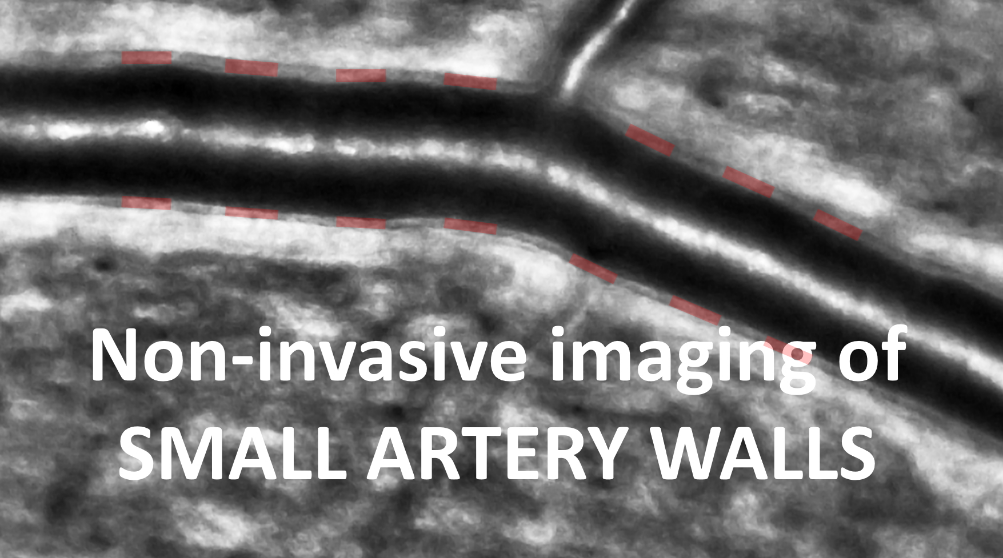
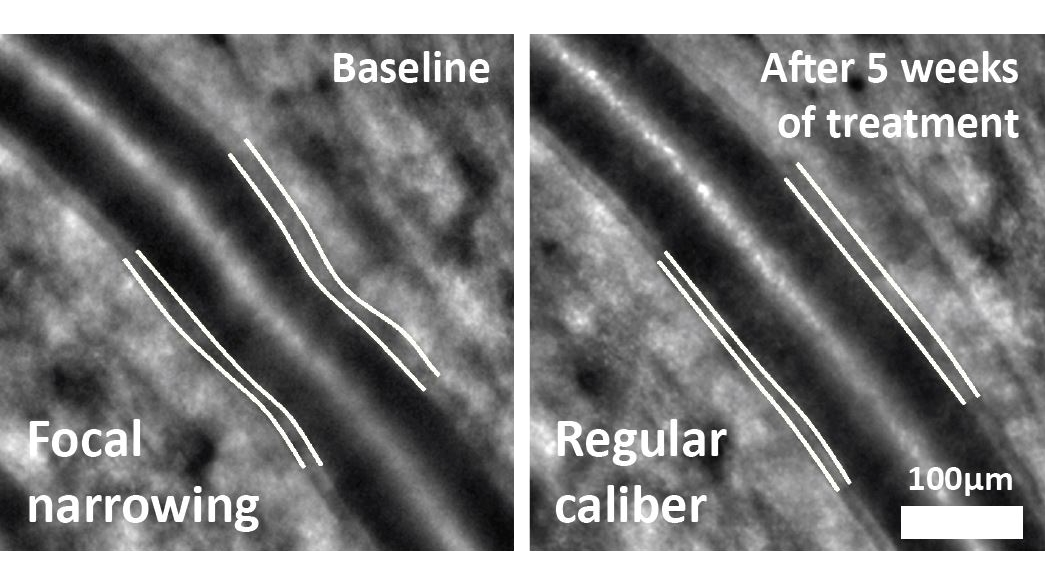
In hypertensive patients, rtx1 provided unprecedented non-invasive access to alterations in the wall structure of small arterioles. Micron precision measurements correlated with microvascular changes in other parts of the body. Studies have reported a potential prognostic value of rtx1 retinal microvascular metrics regarding cardiovascular events.

Highlighted publications

And other ocular conditions

Retinal therapy, including retinal surgeries

Several clinical studies used rtx1 cameras to assess outer retinal recovery following therapy or surgery could at the cellular level. Studies cover anti-inflammatory therapy, macular hole surgery, retinal detachment surgery. In pre-clinical studies, rtx1 also enabled investigating the photoreceptor recovery process following therapy.

Myopia

The rtx1 enabled quantitative assessment of changes in the cone photoreceptor mosaic, in moderated and uncomplicated high myopia.

Glaucoma

In clinical studies, the rtx1 AO camera enabled unprecedented micron-precision assessment of retinal microvascular structure, as well as quantification of the photoreceptor mosaic, which were found to be significatively different between in POAG eyes than in aged-matched controls.

Highlighted publications

Cone cells before/after macular hole surgery

Inherited retinal diseases

A wide array of inherited retinal diseases has been investigated with rtx1. In all of them, rtx1 revealed microscopic changes in various retinal structures, including the cone cell mosaic. rtx1 enabled quantifying photoreceptor mosaic alterations, and in some cases even before clinical changes.

Longitudinal studies have shown that rtx1 also provides insight into RP progression over shorter timescales than visual acuity or OCT biomarkers.

Highlighted publications – IRD

Age-related macular degeneration

Publications report that rtx1 showed AMD-related retinal changes in higher details than conventional imaging, enabling investigating novel retinal imaging biomarkers.

Different types of drusen had distinct appearances on rtx1 images. A new examination method using rtx1, called gaze-dependent AO imaging, further enhanced the contrast of small drusen, and enabled detecting more drusen than on color fundus images.

Furthermore, the border of geographic atrophy is more sharply visualized on rtx1 images than on autofluorescence images, which enabled detecting and measuring GA progression over timescales as short as 3 weeks.

Highlighted publications – AMD

Early atrophic changes in AMD captured by rtx1

New technique detects small drusen in AMD

Cardiovascular risk factors

Diabetes – with and without retinopathy

Several studies using rtx1 cameras revealed and measured cellular and microvascular alterations in the retinas of diabetic patients, and even in eyes without diagnosed retinopathy.

Arterial hypertension

In hypertensive patients, rtx1 provided unprecedented non-invasive access to alterations in the wall structure of small arterioles. Micron precision measurements correlated with microvascular changes in other parts of the body. Studies have reported a potential prognostic value of rtx1 retinal microvascular metrics regarding cardiovascular events.

Higlighted publications

Retinal therapy, including retinal surgeries

Several clinical studies used rtx1 cameras to assess outer retinal recovery following therapy or surgery could at the cellular level. Studies cover anti-inflammatory therapy, macular hole surgery, retinal detachment surgery. In pre-clinical studies, rtx1 also enabled investigating the photoreceptor recovery process following therapy.

Myopia

The rtx1 enabled quantitative assessment of changes in the cone photoreceptor mosaic, in moderated and uncomplicated high myopia.

Glaucoma

In clinical studies, the rtx1 AO camera enabled unprecedented micron-precision assessment of retinal microvascular structure, as well as quantification of the photoreceptor mosaic, which were found to be significatively different between in POAG eyes than in aged-matched controls.

Highlighted publications

Contact us for more about rtx1 clinical findings

Let’s discuss how it can elevate your research thanks to novel retinal imaging biomarkers